


Thanksgiving hosts expect to welcome an average of 10 people this year, according to Butterball. That is a lot of plates, side dishes and last-minute cooking for one kitchen to handle. Getting a head start on preparations can help ensure Thanksgiving dinner goes off without a hitch.
The challenge goes beyond the meal’s size. Hosts have to coordinate cooking, serving and cleanup while also trying to spend time with the people who came to celebrate. The busiest part of Thanksgiving often comes down to how many jobs compete for the same few hours, but the host doesn’t have to carry that workload alone.
The Butterball 2026 Thanksgiving Outlook found that 85% of hosts want guests to pitch in, yet only 38% actually ask for help. Starting some work early is another way to lighten the load: move make-ahead dishes, ingredient prep and kitchen organization off Thanksgiving Day so you can focus on what needs fresh attention.
Decide what can wait
Not every Thanksgiving dish needs to reach the table immediately after it is made. Some foods hold well or even benefit from extra time, which makes them ideal candidates for early prep. Cranberry sauce is an easy place to start. Make a cranberry sauce in a slow cooker ahead of time and refrigerate it, leaving one less dish to manage while the turkey and sides cook.
Pie dough, stock, gravy, certain casseroles and baked goods can also move to an earlier day, depending on the recipe. Stuffing can be broken into stages, too. Bread can be cubed or dried, vegetables chopped and herbs and seasonings measured in advance. A gluten-free cornbread stuffing can follow the same approach, making it easier to accommodate dietary needs.
Freezing can extend that timeline even further: Food Network’s 2026 guide to freezer-friendly Thanksgiving dishes highlights sides and desserts you can prepare well ahead and freeze. The strategy turns the freezer into part of the holiday cooking schedule rather than simply a place to store leftovers.
The turkey provides the schedule for everything that cannot wait. Butterball’s report found that 84% of hosts plan to serve turkey, with nearly half choosing a frozen bird and 1 in 5 planning to buy fresh. Once you map out cooking and resting times, you can schedule dishes around them, while slow-cooker recipes and reheated sides fill the gaps.
Even appetizers can fit into that plan; assemble baked brie with fig jam ahead and bake it close to serving time so guests have something warm to enjoy while the final dishes come together. The goal is not to make everything early, but to identify which dishes hold their quality and move those tasks out of the busiest part of Thanksgiving Day.
Set up the kitchen before Thanksgiving morning
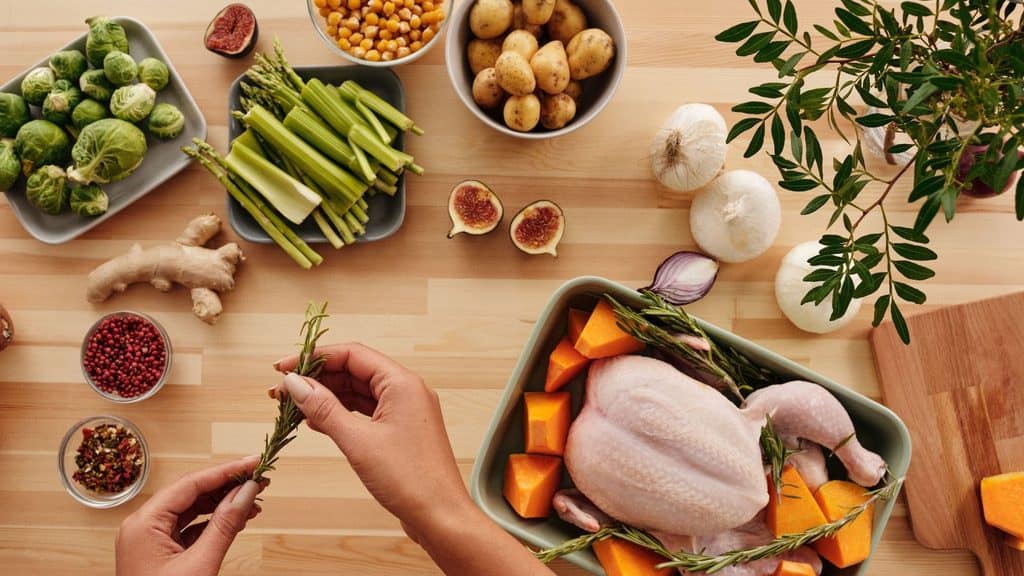
Once the menu is planned, you can move smaller jobs earlier, too. Wash and dry herbs, chop onions and celery, measure spices, portion ingredients and prepare sauces before Thanksgiving. Labeled containers make it easier to find everything without stopping to measure while another dish is cooking.
Freezer and refrigerator space also deserve attention. Depending on the recipe, you can freeze pie dough, breads, rolls, stock and certain baked goods. Clearing out old leftovers creates room for prepared dishes, while labeling frozen food with the name and date prevents a freezer full of mystery containers.
Plan storage before the meal to make cleanup easier. The USDA recommends refrigerating leftovers within two hours, dividing them into shallow containers to cool faster and using them within three to four days. Having space ready means you won’t have to reorganize the refrigerator during the post-dinner rush.
The same advance planning can extend beyond the kitchen, where hosts gather table linens, serving pieces, candles and other details ahead of time, especially if they’re leaning into cozy autumn vibes for the holiday. Getting those details out of the way means Thanksgiving morning is less about hunting for missing pieces and more about cooking.
Save Thanksgiving Day for what needs to be fresh
Smart Thanksgiving prep doesn’t mean cooking every dish the week before. It means identifying what doesn’t need to happen on Thanksgiving Day and moving it out of the way. Leave Thanksgiving Day for the turkey, final cooking and the moments that make the meal feel special.
Not every shortcut has to happen days in advance, either. Food Network’s 2026 Thanksgiving planning guide demonstrates how sheet-pan cooking can bring several traditional sides together at once, while store-bought pie or a guest-provided dish can remove an entire cooking task. A host can apply the same principle to a larger menu by deciding which dishes deserve homemade treatment and which ones a shortcut can handle.
Thanksgiving will always require some last-minute work. Assign family members to set the table, manage drinks, put out appetizers or pack leftovers before guests arrive. Spreading those jobs across the household and guests gives the host more room to focus on the food that actually needs cooking.
When the small jobs stop competing with the important ones, the day has more room for what everyone actually came to the table for: good food, familiar traditions and time together.
Kristen Wood is a photographer, food writer, recipe developer and creator of MOON and spoon and yum. She is also the author of “Vegetarian Family Cookbook,” “Fermented Hot Sauce Cookbook” and “Hot Sauce Cookbook for Beginners.” Her work has been featured in various online and print publications, including NBC, Seattle Times, Elle, Martha Stewart, Forbes, Chicago Sun-Times and more.
The post The Thanksgiving prep you can start now to save time later appeared first on Food Drink Life.

